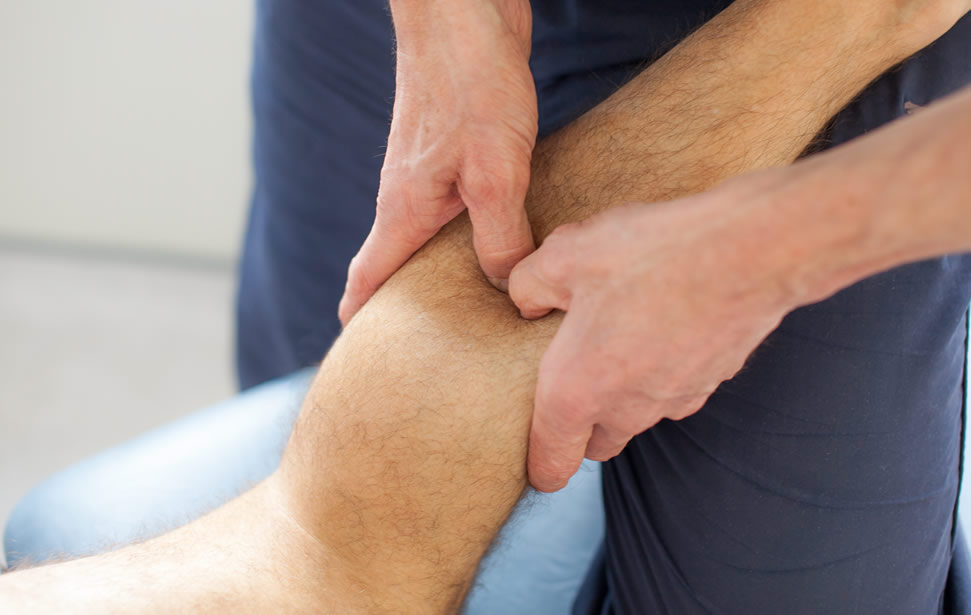
Physiotherapy after knee replacement helps you work on movement, strength, walking and everyday activities as you recover. The starting point is the advice from your surgical team. Your programme should reflect your operation, health, current function and goals, rather than a timetable borrowed from someone else’s recovery.
It is understandable to wonder whether you are doing enough or falling behind. A more useful question is whether your current plan is appropriate and whether progress or symptoms suggest it needs reviewing. Recovery is not a competition to abandon walking aids or bend the knee fastest.
Village Physiotherapy provides pre- and post-surgery rehabilitation in Farnborough Village, Orpington. Here is how to prepare for rehabilitation and make better use of your appointments.
When should physiotherapy after knee replacement start?
Rehabilitation commonly begins through the hospital team around the time of surgery. If you are arranging additional private physiotherapy, ask when the surgical team wants you reviewed and share the discharge plan with the clinic. Do not wait for an arbitrary number of weeks if you are unsure about the instructions you have been given.
The NHS knee replacement recovery guide explains that recovery takes time and varies between people. It emphasises following hospital advice and continuing the exercises recommended for you.
Before booking, tell reception the operation date, whether it was a partial or total replacement, and whether there have been complications. Any restrictions from the surgeon must be considered before an exercise programme is changed.
What to bring to your first rehabilitation appointment
Your hospital paperwork is valuable because it records details that cannot safely be guessed from the appearance of the knee. Bring the discharge summary, operation details if available, current exercise sheet and any follow-up instructions.
It also helps to bring:
- A list of medicines and relevant medical conditions.
- Details of wound or surgical reviews already arranged.
- The walking aid you currently use.
- Notes about activities you find difficult at home.
- Questions about the hospital plan or changes in symptoms.
Wear clothing that allows the knee to be assessed and choose secure footwear. If travel or getting into the clinic is difficult, discuss access needs in advance rather than struggling through a journey you cannot manage comfortably.
What will the physiotherapist assess?
Assessment may include your walking, knee movement, muscle function and practical tasks such as getting up from a chair. The clinician will also ask about symptoms, swelling, sleep, your home setting and the advice already provided by the surgical team.
Tell them what happens across the day. For example, a short activity may feel manageable at first but leave you struggling later. This pattern can help the clinician judge how to organise activity and rest without relying on one measurement alone.
The aim is to establish a useful baseline. Progress might mean walking more confidently around the home, getting out of a chair with less assistance or managing a necessary step safely. A number on a movement chart is only one part of the picture.
Building a manageable home exercise plan
Ask your physiotherapist to identify the priority exercises and demonstrate them. You should understand the intended movement, the amount to do and the response that is acceptable for you. An exercise sheet is helpful only if you know how to follow it.
Avoid adding every exercise you find online. A plan may need to balance movement, strength, walking practice and recovery time. Increasing everything at once makes it harder to understand what is helping or aggravating symptoms.
If the plan is difficult to fit around fatigue, caring responsibilities or your home layout, explain the problem. Ask how to adapt the schedule while keeping the main aims. Contact the treating team if you cannot complete the plan because symptoms are changing, rather than simply forcing through it.
Walking aids, stairs and everyday tasks
Do not stop using a walking aid just because another person stopped sooner. Ask for guidance based on the quality and safety of your walking. The same principle applies to stairs, getting in and out of a car and moving around outdoors.
Bring up the tasks that are genuinely relevant to you. A home with several steps presents a different practical challenge from a level-access flat. Your clinician cannot plan around obstacles they do not know about.
If attending the clinic is currently difficult, ask about our physiotherapy home visits. Availability and suitability need checking for your circumstances and postcode. Home rehabilitation can also allow discussion of the actual spaces in which you need to move.
How long does recovery take?
There is no responsible promise that everyone will reach the same milestone by the same date. Your previous activity, other health conditions, operation and any complications can affect the course of rehabilitation. Ask your surgeon about driving, work and activity restrictions specific to you.
Use review appointments to discuss the trend rather than judging the whole recovery on a difficult afternoon. Keeping brief notes about walking, essential tasks and symptom changes may make that conversation more concrete.
If progress stalls, the answer is not automatically to exercise harder. The physiotherapist may need to reassess the programme or communicate with the surgical team. Ongoing concerns deserve a clear explanation and a plan for what happens next.
Symptoms that need medical attention
Some postoperative changes require medical assessment rather than a routine exercise review. The NHS guidance on knee replacement complications advises urgent GP or NHS 111 help for symptoms including new throbbing or cramping leg pain, fever or shivering, wound discharge, or worsening knee redness, swelling, tenderness or pain.
Call 999 or go to A&E if leg pain and swelling occur with chest pain or difficulty breathing. Do not wait for your next physiotherapy appointment. Contact your surgical team using its postoperative instructions as appropriate, and describe when symptoms began and how they have changed.
Arrange rehabilitation in Orpington
Physiotherapy after knee replacement works best when the plan is understandable, practical and coordinated with your surgical care. Bring your instructions, ask about priorities and agree how progress will be reviewed.
Contact Village Physiotherapy or call 01689 851143 to discuss postoperative rehabilitation at our Farnborough Village clinic. Tell us when your operation took place and what support you currently need so we can help arrange an appropriate assessment.
Village Physiotherapy
Specialist physiotherapy in Farnborough Village, Orpington. Meet our physiotherapy team.
This article is general information and is not a substitute for an individual assessment.