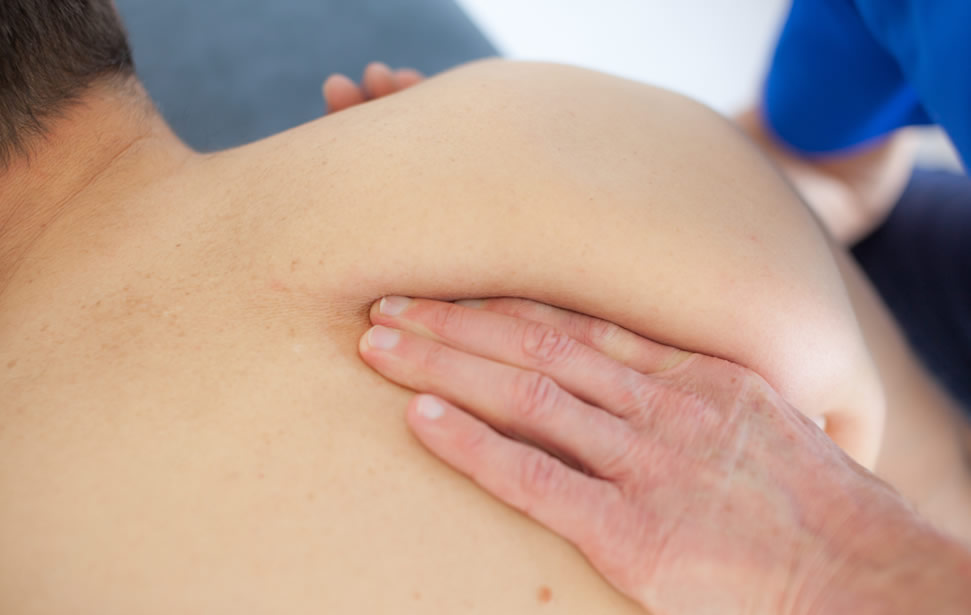
Choosing sports massage or physiotherapy depends on what you need help with. If your main concern is familiar muscle tension and you want hands-on treatment, massage may be worth discussing. If you have a new injury, unexplained pain, reduced function or symptoms that keep returning, a physiotherapy assessment is usually the more useful starting conversation.
You do not have to be an athlete to ask about either service. The important distinction is your goal and whether the problem needs assessment before treatment. Booking the most intense massage is not a reliable way to find the right answer.
Village Physiotherapy offers both sports massage and physiotherapy in Farnborough Village, Orpington. This guide helps you explain your needs when contacting the clinic.
Sports massage or physiotherapy: the main difference
Sports massage focuses on hands-on work with soft tissues. Your practitioner should ask about your symptoms, health and expectations before deciding whether massage is suitable and what pressure to use. Treatment should be adapted to you, rather than delivered at a predetermined level of discomfort.
Physiotherapy places assessment and a management plan at the centre of the appointment. According to the NHS description of physiotherapy, care can include movement and exercise, advice and manual therapy. The balance depends on the problem and the assessment findings.
There can be overlap: a physiotherapist may use soft-tissue techniques within rehabilitation. The question is therefore not simply which professional uses their hands. It is whether you need an assessment and a plan for restoring function, hands-on support for a suitable concern, or both.
When a physiotherapy assessment makes more sense
Consider discussing an assessment when the reason for your symptoms is unclear or everyday activity has changed. Examples include difficulty lifting your arm, repeated ankle problems or pain that prevents you returning to a normal walk.
Useful reasons to start with assessment include:
- A recent injury that has not been assessed.
- Pain that repeatedly returns when you resume activity.
- A noticeable loss of movement or strength.
- Symptoms affecting work, sleep or basic daily tasks.
- Uncertainty about whether exercise or massage is appropriate.
These examples do not establish a diagnosis. Explain the symptoms when booking so reception can help identify the relevant service. If medical assessment is more appropriate, a clinician should say so rather than assuming everything can be managed through massage.
When might sports massage be an option?
You might ask about massage when you have a familiar area of muscular tightness, want to discuss hands-on support around training, or have previously found an appropriate session useful. Describe what you hope to feel or do afterwards rather than requesting a particular technique because it sounds powerful.
For example, someone preparing for an event may want to discuss comfort and timing around training. Someone who sits for long periods might want help with muscle tension while also considering movement breaks and their usual activities.
Massage is not a substitute for investigating persistent or unexplained symptoms. It also cannot promise to prevent injuries, correct every cause of pain or remove the need for rehabilitation. Ask what it is intended to achieve in your situation and what other steps might be needed.
Should a new sprain or strain be massaged?
Do not assume that a newly swollen or bruised injury needs deep massage. The early management of an acute injury differs from treatment for longstanding muscle tension. The Dudley Group NHS guidance on sprains and strains advises avoiding massage during the first 48–72 hours because it can increase swelling.
If an injury is severe, you cannot use the limb normally, or symptoms are worsening, seek appropriate assessment. A sports massage booking should not delay urgent medical care or assessment of a possible fracture.
Tell the clinic when the injury happened and whether there is swelling, bruising or difficulty bearing weight. That information is more useful than describing every sports-related problem as a tight muscle.
Does massage need to hurt to work?
You should be able to discuss pressure throughout a session. Stronger pressure is not automatically more suitable, and tolerating pain is not a measure of success. Tell the practitioner if pressure feels excessive, symptoms spread or you want treatment to stop.
Before treatment, mention relevant medical conditions, medicines and recent operations. In particular, disclose medicines that affect bleeding or clotting and any current concerns about swelling or infection. The practitioner can decide whether treatment needs adapting or postponing.
Ask what response to expect afterwards and what would be unusual. Avoid booking an unfamiliar, intensive session immediately before an important event without discussing the possible effect on your training and comfort.
How hands-on treatment can fit with exercise
If a problem returns whenever you increase activity, it is worth looking beyond temporary symptom relief. The next step might involve reviewing training demands, movement options or an exercise programme appropriate to the assessment.
For low back pain specifically, NICE guidance recommends considering manual therapy, including massage, only as part of a treatment package that includes exercise. This is guidance for that condition, not a statement that every massage booking requires the same plan.
If you are already receiving rehabilitation, tell both practitioners. Shared information can help you avoid contradictory instructions and understand which part of the plan each appointment supports. Ask whether massage adds something useful at the current stage rather than assuming more treatment is always better.
What to say when you contact the clinic
You can make booking easier with a short description: where symptoms are, how long they have been present, whether an injury occurred and what you cannot do comfortably. Mention any previous diagnosis or current rehabilitation plan.
For example: “My calf feels tight after running, but I can walk normally and have no new injury” gives a different starting picture from “I felt a sudden pain yesterday and now struggle to walk.” Neither description should be used to diagnose yourself, but both help the clinic decide the next step.
Ask about the appointment format, current price, suitable clothing and whether you need an initial assessment. If you are using insurance, check the exact service and practitioner with your insurer before booking.
Make the booking fit the problem
The best choice between sports massage or physiotherapy begins with what you need to achieve and whether the symptoms have been properly assessed. You can ask for guidance without arriving with a firm preference.
Contact Village Physiotherapy or call 01689 851143 to discuss your situation. Our Orpington team can help you identify an appropriate appointment and explain how the service fits your goals.
Village Physiotherapy
Specialist physiotherapy in Farnborough Village, Orpington. Meet our physiotherapy team.
This article is general information and is not a substitute for an individual assessment.