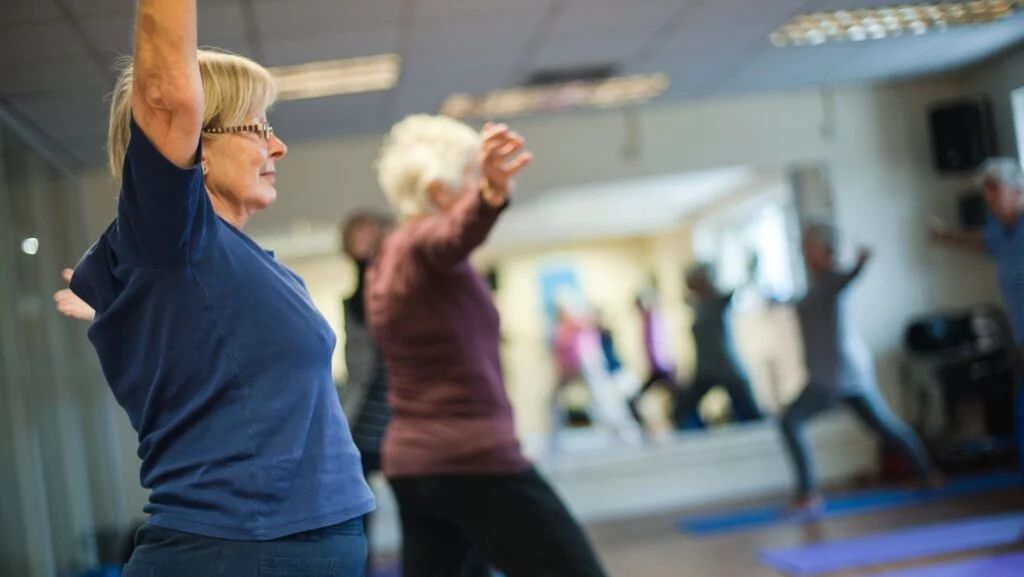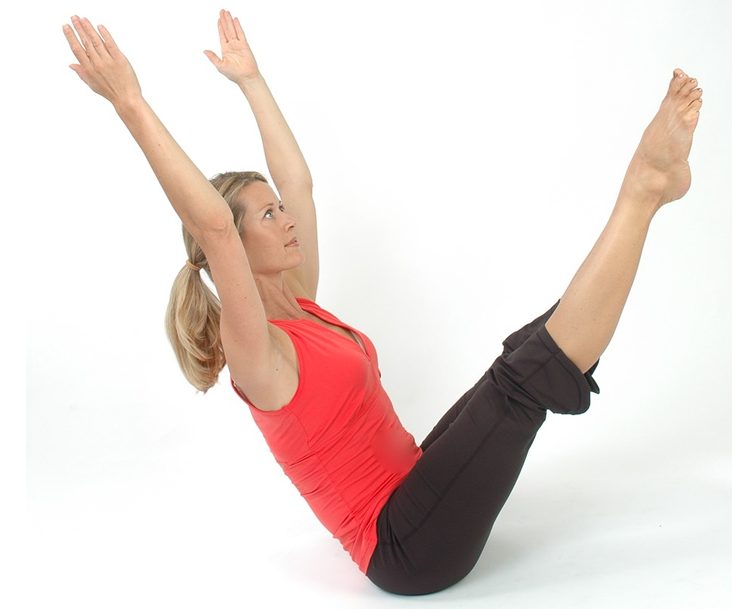
Clinical Pilates for beginners should start at a level that suits your movement, experience and health. You do not need to be flexible, have a strong stomach or recognise the names of the exercises before asking about a class. The useful question is whether a group or an individual appointment is the right starting point for you.
If you have pain, have recently had surgery or are returning to exercise after a long break, explain that before joining. A beginner label describes experience, but it does not by itself show that a class is appropriate for every medical situation.
Village Physiotherapy offers Clinical Pilates in Farnborough Village, Orpington, including mat-based classes and individual or small-group options. Here is how to prepare and what to ask.
What is Clinical Pilates for beginners?
Pilates is a form of exercise involving controlled movements, with attention to how you move and breathe. A clinical setting allows discussion of individual needs and adaptations, but the name alone does not guarantee that every exercise is suitable for every injury.
The NHS Pilates for beginners information describes Pilates as working on areas including strength, posture, balance and flexibility. Its general exercise video is not a personalised rehabilitation prescription.
Think of your first sessions as an opportunity to learn a manageable movement routine. There is no need to achieve the deepest stretch, hold your breath through a difficult exercise or copy the most experienced person in the room. Appropriate instruction and feedback matter more than how impressive a movement looks.
Group class or one-to-one session?
A group may suit you if you are comfortable exercising with others and can follow the class with the available adaptations. An individual session may be more useful when you need time to discuss symptoms, practise unfamiliar movements or understand what is appropriate after an injury.
Small-group sessions can offer another option, but suitability still depends on the participants and the support required. Ask how classes are organised and what information the instructor needs before you attend.
At Village Physiotherapy, the service includes beginner to more advanced mat-based classes, alongside one-to-one and small-group options. Contact reception for current availability, class arrangements and prices. Do not choose solely on the class name if your needs require a more individual assessment.
What should you tell the instructor?
Mention current pain, relevant medical conditions, previous surgery and any advice from another clinician. Tell them if you are pregnant, have recently given birth or have difficulty getting on and off the floor. These details can affect the choice of session and exercises.
Before your first class, consider asking:
- Is an assessment recommended before I join?
- Can movements be adapted for my current difficulty?
- Will the class involve lying or kneeling on the floor?
- What should I do if a movement causes symptoms?
- What equipment and clothing do I need?
Give a brief account of your goals too. Wanting to feel more confident moving is a different starting point from preparing for a demanding sport. A clear goal helps you and the instructor judge whether the class format meets your needs.
What to expect in your first session
You may spend time learning starting positions, breathing and basic movement patterns before progressing to more demanding exercises. The exact content depends on the instructor and class. Do not worry if coordination takes practice; a new exercise can feel unfamiliar without being a test you have failed.
Ask for clarification when you do not understand an instruction. A small change in position or a simpler version may make the exercise more manageable. If you need a rest, communicate that rather than trying to keep pace at all costs.
Let the instructor know how the session felt afterwards, especially if symptoms changed later in the day. That feedback is useful when deciding whether to adjust the next class or arrange a separate assessment.
Clothing, equipment and practical preparation
Wear comfortable clothing that allows movement without needing constant adjustment. Ask about footwear, mats and any other equipment before buying anything. A suitable beginner session should not depend on purchasing a large collection of accessories.
Arrive with enough time to mention concerns without feeling rushed. If you have been asked to bring a referral letter or exercise advice from another clinician, keep it available. You can write down questions beforehand if you tend to forget them during a class.
If getting to the floor is difficult, say so before the session starts. Do not assume you must manage it unaided because other participants can. The right starting format may involve a different appointment or specific adaptations.
Can Pilates help with back pain?
Some people with back pain may include Pilates-style exercise within a wider management plan, but it is not a universal solution or a way to diagnose the cause of symptoms. Persistent, changing or unexplained pain deserves appropriate assessment.
If pain is your main reason for joining, discuss whether physiotherapy assessment should come first. That conversation can help establish what you are comfortable doing and whether additional medical advice is needed.
Avoid judging an exercise by whether you can feel your muscles working as strongly as possible. Ask what the movement is intended to achieve and how it relates to your plan. A gentler starting version may be the more useful choice while you learn.
How often should a beginner practise?
There is no single schedule that suits every newcomer, especially where pain or medical conditions are involved. Ask your instructor what is appropriate between sessions and whether any home practice should be limited to particular exercises.
Begin with a routine you can maintain. If you are learning several unfamiliar movements, practising a small agreed selection may be easier than trying to recreate a whole class from memory. Ask for clear instructions rather than relying on a social media video that looks similar.
Pilates can sit alongside other activity, but it does not automatically meet every strength, balance or aerobic exercise goal. If you want help planning a broader routine, ask how it could connect with our strength and conditioning service.
Start Pilates in Orpington
Clinical Pilates for beginners is most useful when you can ask questions, learn at an appropriate pace and understand any adaptations. You do not need to arrive with perfect technique; you do need a session that fits your circumstances.
Contact Village Physiotherapy or call 01689 851143 to ask about current Pilates options. Tell reception about your experience, any relevant symptoms and whether you would prefer to discuss a group, small-group or individual starting point.
Village Physiotherapy
Specialist physiotherapy in Farnborough Village, Orpington. Meet our physiotherapy team.
This article is general information and is not a substitute for an individual assessment.